There’s a question we’ve been hearing a lot lately from business owners across California, Arizona, Nevada, Oregon, and Washington. They see AI Overviews answering questions at the top of Google, they hear about customers asking ChatGPT for recommendations, and they start to wonder: if the AI is just going to answer the question anyway, does search engine optimization even matter anymore?
It’s a fair question. And the answer is yes but with some important context that most marketing conversations skip over.
Key Takeaways
- Search engine optimization is not dead. It's the foundation that AI-powered search is built on.
- AI answer engines (Google AI Overviews, ChatGPT, Gemini, Perplexity) still rely on the same trust signals SEO builds, authority, structure, and quality content.
- The goal of visibility hasn't changed. Where and how your business gets found is what's shifting.
- Zero-click search is real. Measuring only website traffic is no longer enough.
- The businesses getting cited by AI today are the ones who invested in strong SEO yesterday.
What's Actually Changing
Google still processes billions of searches every day. What’s changing is what happens at the top of the results page.
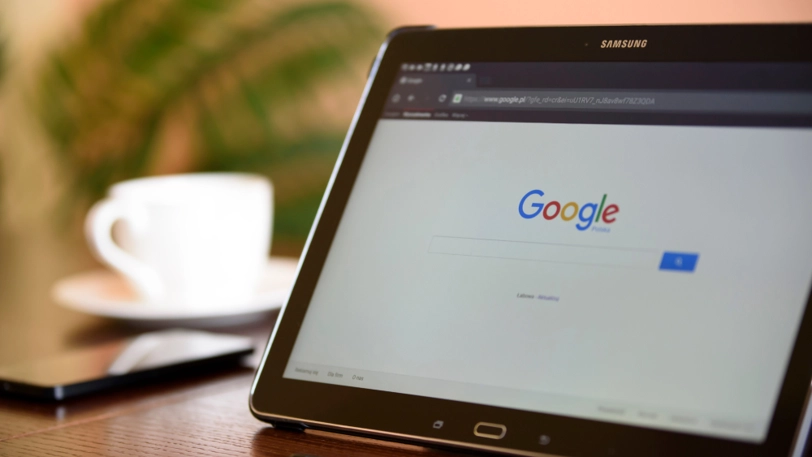
Google AI Overviews now appear above traditional ranked links on many queries, summarizing an answer, recommending businesses, or pointing users toward a decision before they ever see a traditional result.
ChatGPT, Gemini, and Perplexity work the same way: a customer types a question and gets a direct answer with sources cited, often without clicking through to any website.
This is zero-click search.
“You may experience less traffic to your website, but if you’re being cited as the authoritative source to answer that question, you’re still going to get that conversion. You may still get that phone call, that new client, that new patient.”
— Ryan Kelly, AI on the Fly, Episode 10
The Takeaway
Fewer clicks does not automatically mean fewer customers. It means the way customers find you and decide to contact you has changed. If your business is the source AI cites, you still win. If you're not being cited, you're invisible in a place your customers are increasingly looking.
Why SEO Is Still the Foundation
Here’s what gets lost in the “SEO is dead” conversation: AI answer engines don’t operate on guesswork. They pull from the same content base that Google has always indexed. They look for clear page structure, authoritative content, trust signals, and accurate business information, the same building blocks that strong search engine optimization produces.
Google’s own Search Central documentation confirms it: generative AI features in Search are rooted in Google’s core ranking, crawling, indexing, and quality systems. Technical SEO isn’t optional for AI visibility. It’s required.
How AI Determines Credibility
What AI tools look for when deciding who to cite:
- Is the website technically sound, fast, mobile-friendly, and crawlable?
- Does the content clearly answer real customer questions?
- Does the business have authority signals, reviews, backlinks, consistent information across the web?
- Is the content structured in a way AI systems can parse, headings, FAQ sections, schema markup?
Every item on that list is what search engine optimization has always addressed. The difference now is that the stakes are higher. A business that ignored SEO in 2018 might have slipped in rankings. A business that ignores it in 2026 may not appear in AI-generated answers at all.
Need to Rebuild Your SEO Foundation?
The businesses seeing results today are the ones optimizing for AI visibility alongside traditional rankings. Get a complimentary digital marketing consultation from WSI Smart Marketing and get a clear picture of where your starting from.
Learn more about our SEO services and call us at (707) 843-3714.
What SEO Looks Like Now
Good search engine optimization hasn’t changed its goals. It’s expanded its scope.
The technical fundamentals still apply. Page speed matters. Mobile performance matters. Clean site structure matters. If a search engine or AI crawler can’t read your site properly, no amount of content will rescue your visibility.
Upgrading Content Value
What’s new is the content layer. Short keyword-stuffed pages were already losing ground. Now they’re largely invisible in AI search. What AI tools cite are pages that read like expert answers: thorough, clearly structured, and written for a real person who has a specific question.
Building Authority Online
This is why FAQ sections, service-specific pages, and well-written blog content matter more now than they did five years ago. When someone in Sacramento asks ChatGPT who the best roofing company in their area is, the AI draws from content it has already indexed and evaluated for authority. It’s not running a live search. It’s relying on a picture of your business that has been built over time, which is exactly what SEO work produces.
Answering Long-Form Questions
Long-form, question-based content performs especially well. The shift in how people search explains why.
“Gone are the days of writing blogs that target key phrases. Here are the days of answering people’s questions with robust, clear content… well-crafted prompt phrases, thoughtful answers, and supporting videos, all designed to make you the resource, the cited trusted source that AI points to when someone asks a question.”
— Ryan Kelly, AI on the Fly, Episode 9
In other words, SEO content written for humans, specific, helpful, and authoritative, is exactly what AI rewards.

The Measurement Has to Change Too
One of the most important mindset shifts for business owners right now is how you measure success from digital marketing.
If your team is evaluating SEO performance entirely through website session counts, you’re going to see a number that looks worse than it probably is. AI search means some of your best customers may have found and chosen you without ever landing on your site. They read the AI answer, saw your business cited or recommended, and called you directly.
Metrics that Matter
What to track alongside traditional rankings:
- Direct calls and contact form submissions
- Branded search volume (are more people searching for you by name?)
- Presence in AI Overviews and third-party answer engines (test this manually in Google, ChatGPT, and Perplexity)
- Quality and source of incoming leads, not just volume
Website traffic is a useful signal. It’s not the only one.
What This Means for Your Business Right Now
If your SEO is already solid (technically clean site, well-written service pages, consistent reviews, regular content) you’re in a stronger position than most. The work you’ve done is exactly what AI tools look for when deciding who to cite.
If SEO has been on the back burner, the cost of waiting is higher than it was a few years ago. The gap between businesses being cited by AI and those that aren’t is widening every month.
Your Next Steps
- Audit your site speed and mobile performance, these affect both Google rankings and AI indexability.
- Review your most important service pages. Do they answer real customer questions in full sentences, or just list features?
- Check your Google Business Profile. Accurate, complete local data is a factor in AI-powered local recommendations.
- Track conversions, calls, form fills, booked appointments, not just session counts.
Search engine optimization isn’t a relic. It’s the entry point to every form of digital visibility that exists right now, including the AI-powered kind.
Ready to See Where You Stand in AI Search?
We work with businesses across California, Arizona, Nevada, Oregon, and Washington to create consistent, well-executed SEO that boosts AI visibility, and they’re expanding it with AIO and Search Everywhere Optimization.
If you’re not sure where your business stands, reach out to WSI Smart Marketing and let’s find out together.
Frequently Asked Questions
Is SEO still relevant in 2026?
Yes. Google’s AI-powered search features, including AI Overviews and AI Mode, are built on the same indexing and ranking systems that traditional SEO influences. Businesses with strong search engine optimization are better positioned to be cited in AI-generated answers.
How does AI search affect organic website traffic?
It can reduce it, particularly for informational queries where AI Overviews give users a complete answer without a click. For local and service-based businesses, AI-driven recommendations can still drive calls and inquiries directly, even without a site visit.
Do I need a separate strategy for AI search and traditional SEO?
Not entirely. The technical and content foundations are shared. AI search requires FAQ-structured content, schema markup, clear business information, and strong authority signals like reviews and digital PR on top of that foundation. WSI Smart Marketing’s AIO and SEvO services are built to cover both.
How do I know if my business is showing up in AI search results?
Test it manually. Search your category and location in Google (look for AI Overviews), then run the same query in ChatGPT, Gemini, and Perplexity. If you’d like a thorough review, WSI Smart Marketing offers a complimentary visibility consultation.
What types of content perform best in AI-powered search?
Thorough, clearly written answers to specific questions, FAQ sections, detailed service pages, and expert blog content. These formats match how AI tools construct answers. Thin keyword pages do not.



Recent Comments